Eclipse Soundscapes Project
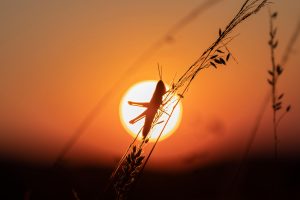 The Eclipse Soundscapes Project is a NASA Citizen Science project funded by NASA Science Activation that explored how eclipses affect life on Earth. During the October 14, 2023 annular eclipse and the April 8, 2024 total eclipse, thousands of volunteers helped collect soundscapes and observations, building on a nearly 100-year-old study of animal behavior during eclipses.
With the help of volunteer scientists and modern tools like BirdNET, the ES team has completed its analysis of this unprecedented dataset. A scientific paper reporting the full methods and results has been written and is being submitted for publication.
The ES project is now in its final phase and will conclude in 2026. In this phase, we are preparing to share nearly 25 terabytes of eclipse audio openly on Zenodo and making all ES tools and documentation publicly available so the work can continue to benefit researchers, educators, and the public long into the future. For the latest progress, see the Project Updates tab below.
You can stay connected through the end of the project:
- Sign up for email updates for news about final milestones and data sharing.
- Follow @EclipseSoundscapes on Facebook and Instagram for highlights and other participatory science opportunities.
- Read blog posts here about the ES data process, ES and AI, AudioMoth donations, and more!
- Revisit past ES webinars in the Learning Community.
Newest Blog
Data Analysis Update
Eclipse Soundscapes recordings from 273 verified sites have been analyzed. A scientific paper reporting the methods and results has been written and is currently being submitted for publication.
- 🐦 Findings focus on bird behavior during eclipses
- 📈 Analysis combines volunteer data with BirdNET tools
- 🎥 Preliminary results have been shared in a public presentation
🔗 Learn more and watch the preliminary results presentation → Click here to visit the Data Analysis Page.
Data Sharing Update
Nearly 25 terabytes of eclipse audio data are being prepared for open release so researchers, educators, and the public can explore them. To make that possible, the ES team built a tool called AZUS (Automated Zenodo Upload Software).
- ⚙️ AZUS makes it possible to upload thousands of files in bulk instead of one at a time
- 📝 Metadata templates ensure each dataset comes with clear, usable documentation
- 🌐 All ES data will be openly available in the Eclipse Soundscapes Community on Zenodo
- ⏳ Testing begins this fall, with bulk uploads starting in late 2025 and continuing into 2026
🔗 Learn more about how and where ES data is being shared → click here to visit the Data Sharing page.
What's Next?

Eclipse Soundscapes united eclipse chasers, nature lovers, explorers, learners, and volunteer scientists. Keep the momentum going and stay connected with ES and participatory science:
- 📱 Follow ES on Instagram @EclipseSoundscapes and Facebook @EclipseSoundscapes for more STEM and volunteer science opportunities.
- ✉️ Sign up for ES updates to track our data sharing progress.
- 🎥 Revisit past ES webinars anytime on the Learning Community page.
- 🌍 Discover more opportunities on Zooniverse and SciStarter.
🔗 Explore more → Click here to visit the ES Learning Community Page
Your AudioMoth isn’t done yet!
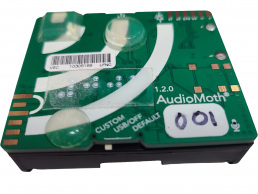
Eclipse Soundscapes volunteers used AudioMoths to capture eclipse soundscapes, but these recorders can do much more. Our AudioMoth Resources page helps you keep exploring and find new ways to put your device to work:
- 🎧 Keep recording birds, bats, frogs, and nighttime soundscapes.
- 🎁 Donate your AudioMoth — we provide programs and contacts for donations.
- 🛠️ Find tools and tips for analyzing your own recordings.
- 📖 Learn about ES adaptations and IDs used during the project.
🔗 Explore AudioMoth resources and opportunities → Click here to Visit the AudioMoth Resource Page
Where and how many people have participated in Eclipse Soundscapes in 2024?
(Updated 10/25/2024)
- 4,524 Eclipse Soundscapes (ES) Apprentices participated! (2023: 459 & 2024: 4,065)
- 4,543 ES Observers submitted their observations! (2023:192, 2024: 4,351)
- ES Data Collectors:
- Devices Registered: 989 (2023: 219, 2024: 770)
- Submitted all metadata & Audio data: 575 (2023:98, 2024:477)
- Used for BIRDnet Analysis: 353 (2023: 80, 2024: 273)
 ES APPRENTICES (2024)4,065 Completed Role in 2024

ES OBSERVERS (2024)4,351 Observations Submitted!
 ES OBSERVERS (2024)
ES DATA COLLECTORS (2024)1,310 Signed-Up770 Devices Registered477 Data Sites
 ES DATA COLLECTORS (2024)
Stay Updated!
The Eclipse Soundscapes Project continues to share information about the data analysis, data sharing, and results, as well as more exciting STEM activities and opportunities.
More NASA Opportunities!
NASA Solver
Interested in helping NASA solve tough problems? Become a NASA Solver! Visit the NASA Solver website to find opportunities to participate in prizes, challenges, crowdsourcing and activities that develop solutions for problems related to NASA’s mission!
NASA Citizen Science
Interested in more NASA citizen science opportunities? Click here to check out all of the current NASA Citizen Science Projects.